WatchLatestEpisode Now
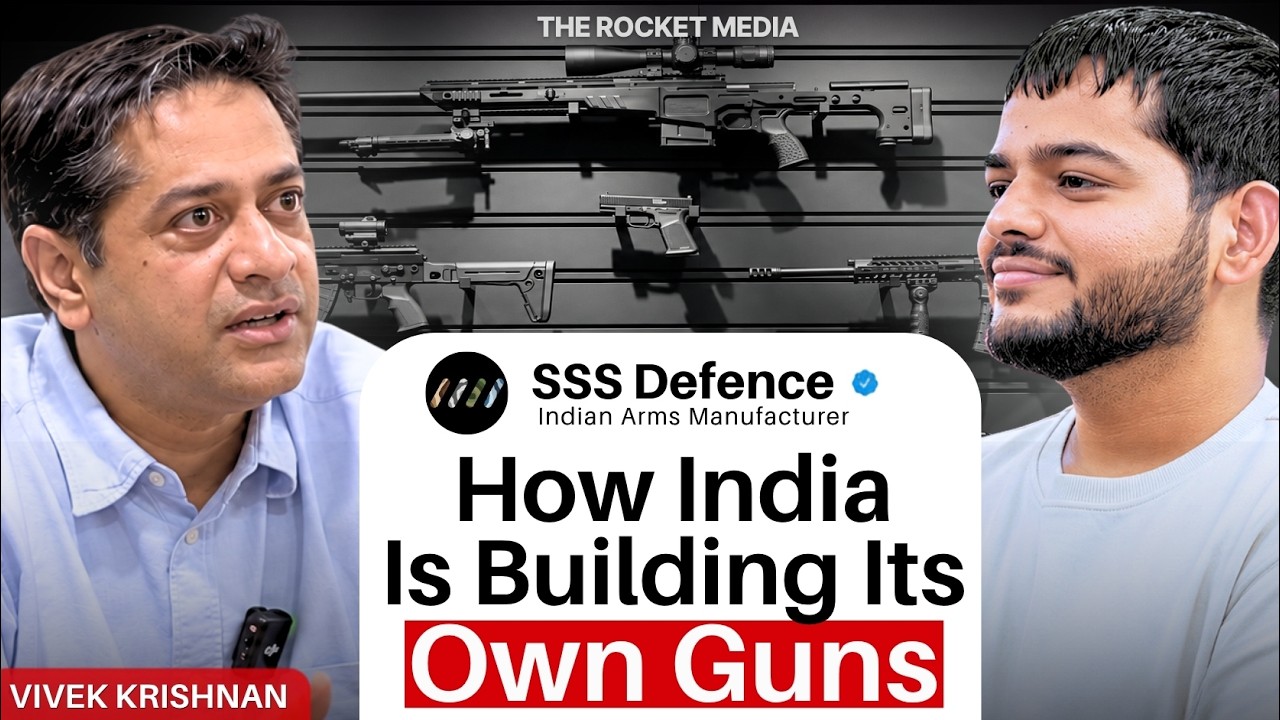
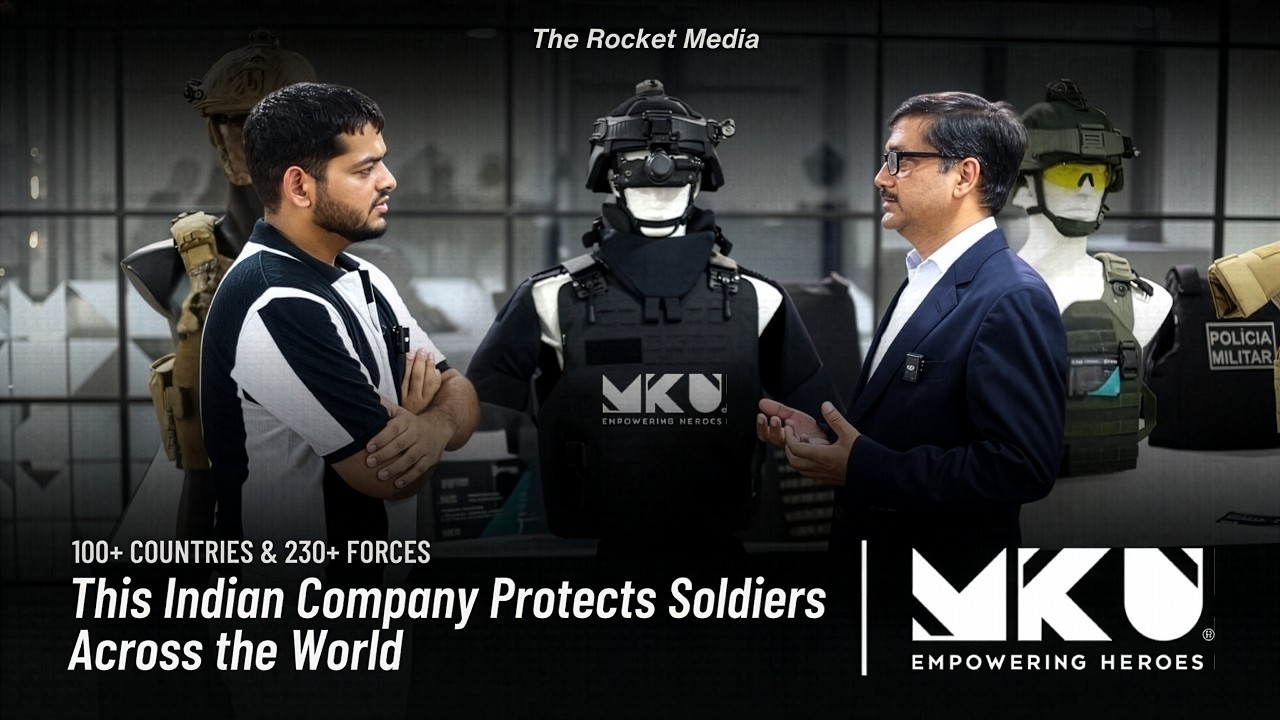
Feat. SSS Defence
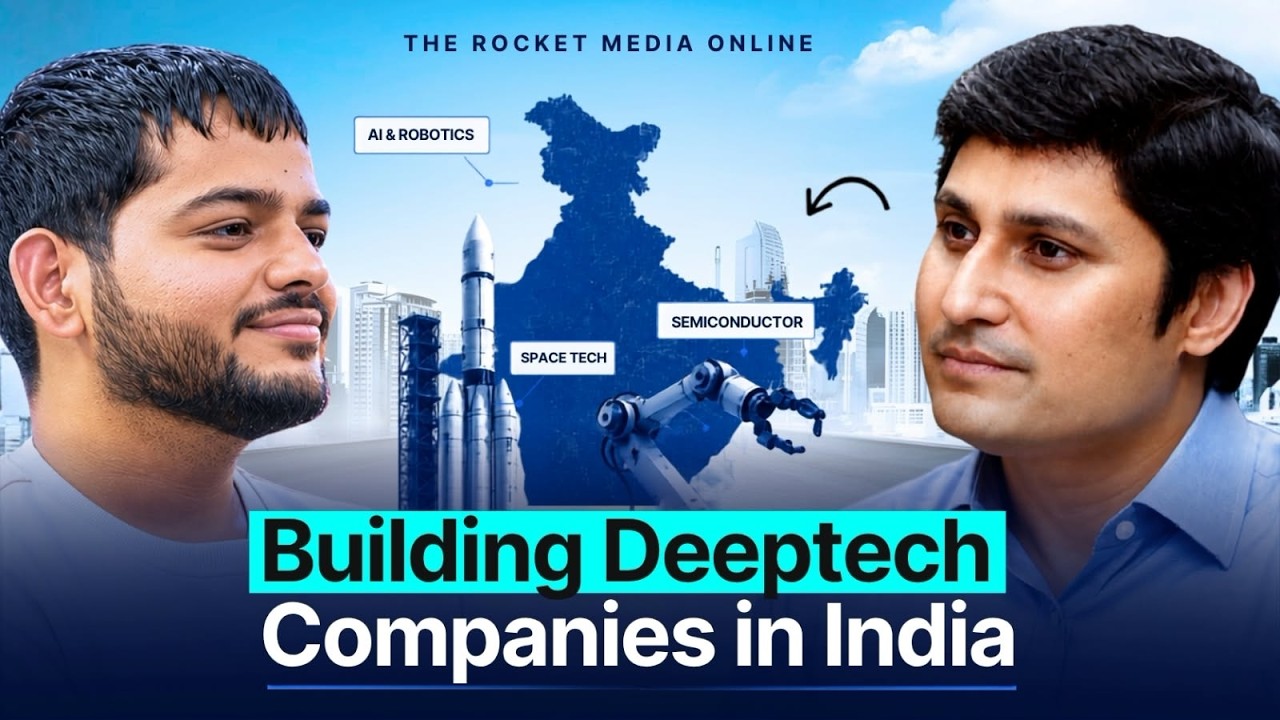
Feat. Rajeev Mantri
This Indian Company Builds Ballistic Helmets, Armour & Night Vision for Soldiers Worldwide
The Chip War Has Entered the Radar

Radar systems do not merely need processors. They need specialised RF silicon that can survive extreme frequency, voltage and power demands. DRDO’s Solid State Physics Laboratory has developed indigenous GaN-on-SiC technology, including 4-inch SiC wafers, GaN HEMTs and a 3.5 × 3.5 mm GaN MMIC capable of 30 watts. Higher-power devices have reached 150 watts, with limited production beginning at GAETEC, Hyderabad. The significance extends beyond one chip. AESA radars, electronic warfare systems, seekers, satellite communications and counter-drone platforms all depend on such components. Semiconductor sovereignty, therefore, is increasingly about owning the specialised silicon beneath the battlefield’s visible machinery.
Construction Is Getting Its Iron Man Suit
Construction has always resisted the factory model. Every site is different, terrain shifts, structures rise, and workers constantly reposition. K-nest Construction Tech is betting that robotics can finally make the industry programmable, combining 3D concrete printing, autonomous inspection robots, construction exoskeletons, precision sensors, self-climbing safety screens and automated high-rise formwork. The interesting part is not any single machine, but the stack: robotics, computer vision, materials science and industrial automation converging around one of the world’s least automated industries. As India enters an infrastructure-heavy decade, even incremental gains in construction speed, safety, precision and material efficiency could compound into substantial productivity gains.
The $400 Million Gatekeeper
AI’s next generation may depend on a machine that never runs a model. ASML’s High-NA EUV lithography systems, costing roughly $400 million each, are becoming central to future chip roadmaps. Samsung and SK Hynix target adoption from 2028, Intel is already working with the technology, and TSMC plans production use from 2030. High-NA can print features roughly 40% smaller than conventional EUV, potentially extending transistor scaling while simplifying some process steps. ASML already dominates advanced lithography and effectively monopolises EUV. The strategic lesson extends beyond AI: semiconductor power increasingly belongs to whoever controls the machines that manufacture the chips.
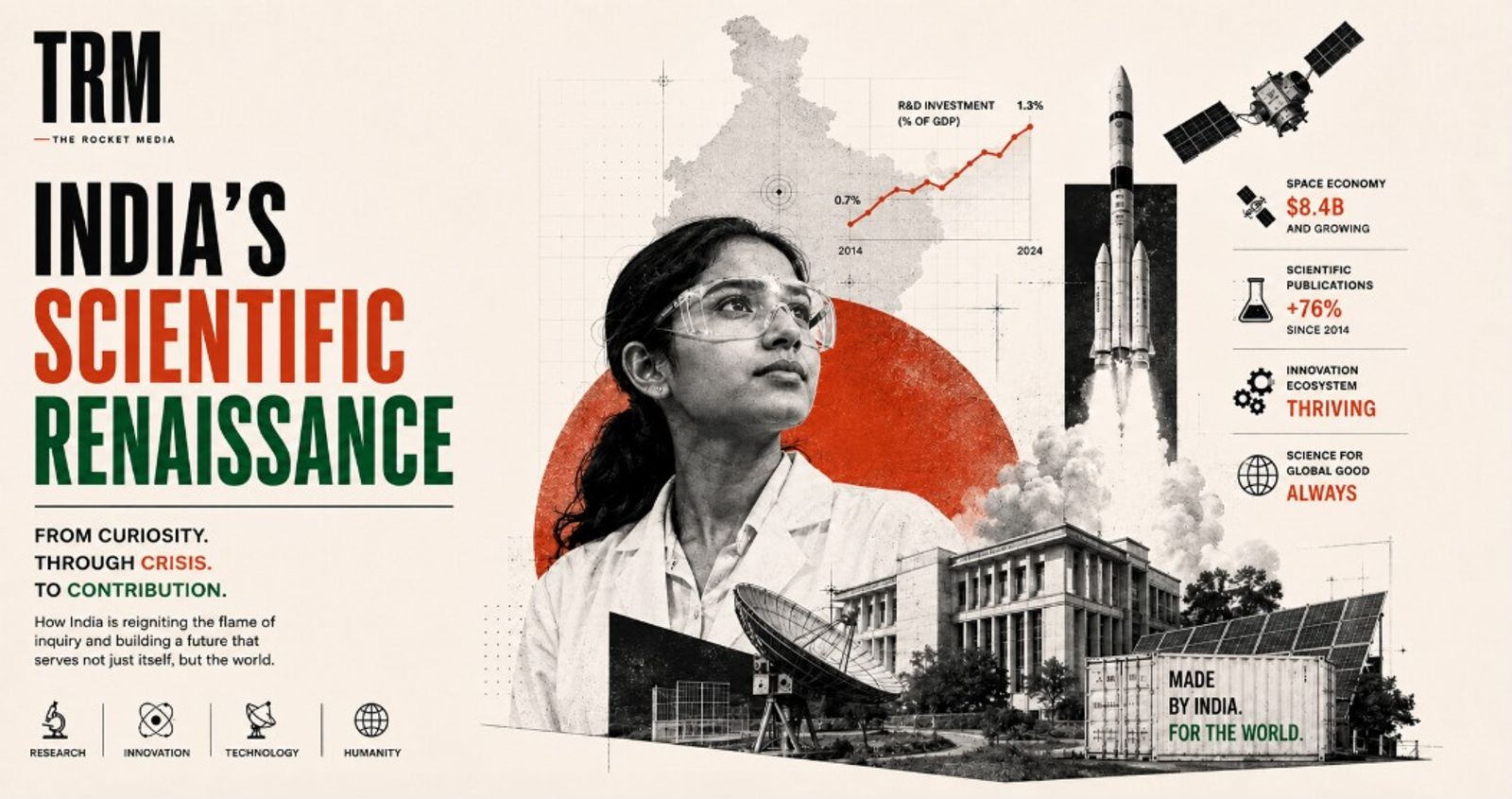
Towards Viksit Bharat: India's tryst with Science and Technology
A few days ago, I randomly came across the poem, “Where the mind is without fear” by Rabindranath Tagore. I read and re-read it until my mind went back to the time when I was taught this poem for the first time in my class 6th. I remembered asking my teacher the meaning of the various lines. The poem captured the imagination and hopes of a young kid who had listened to “Mere desh ki dharti” and “Ae mere watan ke logon” infinite times in his home, sometimes on the radio and sometimes through his dad’s voice. One particular line which captured my attention then and again captured it now was this: “Where the clear stream of reason has not lost its way into the dreary desert sand of dead habit.” I wondered while lying flat on my bed and putting my phone on my chest, “What must he be thinking while writing that line?”
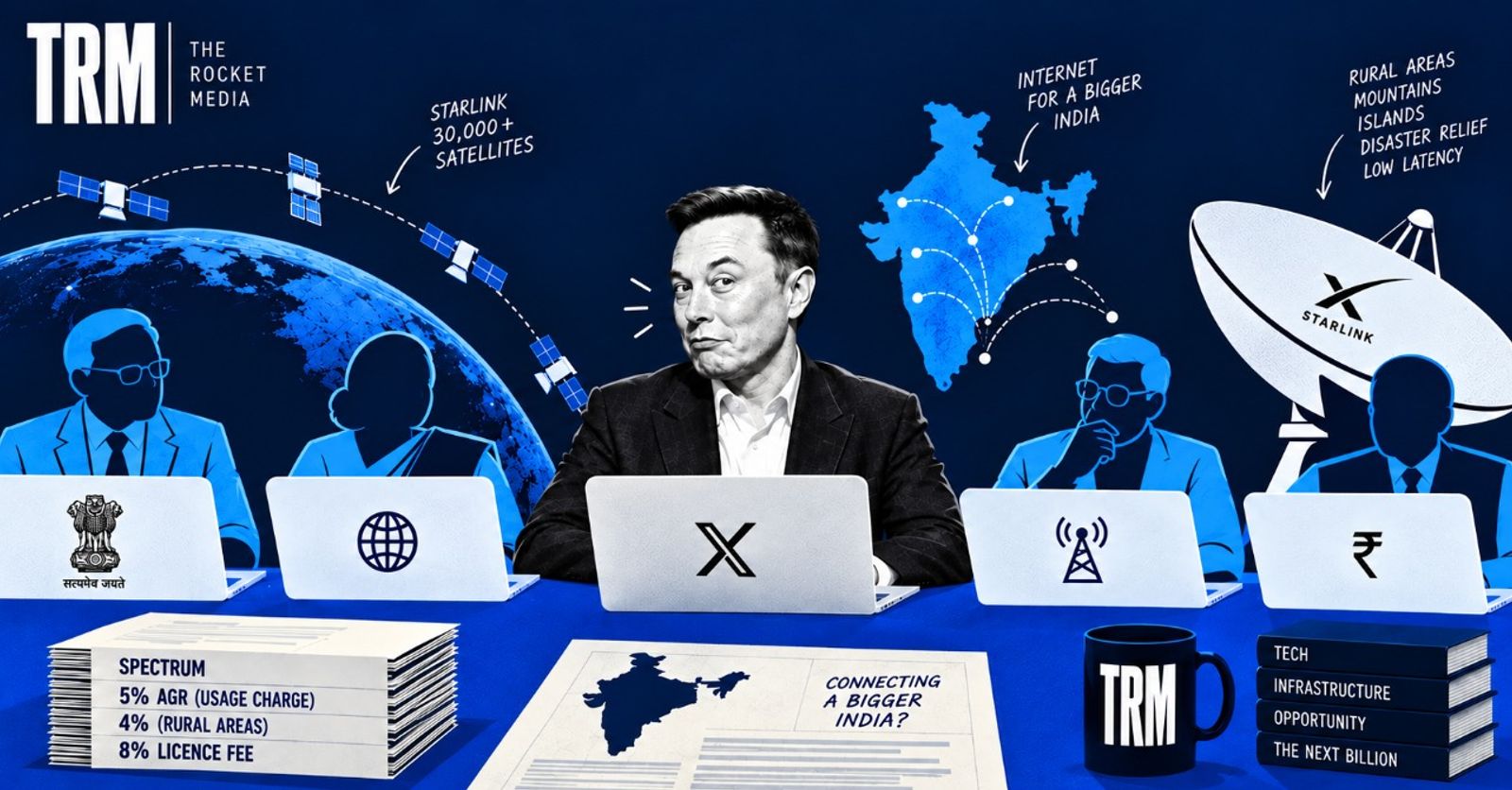
Elon Musk vs. India: Can Starlink Survive the World’s Cheapest Internet Market?
Elon Musk’s Indian Expansion Has Arrived. The Bureaucracy, Apparently, Has Not Been Briefed. I was sitting on my couch, casually scrolling through the Venice Film Festival highlights, fully expecting the usual cinematic high-browing. Instead, I found myself reading about Ashley St. Clair dropping absolute conversational thermonukes about Elon Musk in Alex Gibney’s new four-hour documentary, Musk . Now, look. I knew Elon was busy. The man is simultaneously managing space exploration and behaving like an online Godfather on X. According to St. Clair, Musk once texted her that he wanted a “legion of children before the civil war” . She also alleged that his team offered her a $40 million NDA concerning their child, which she declined. Naturally, the story generated plenty of internet drama: pronatalism, apocalypse predictions and the world’s richest man trying to keep an intensely personal story private. Whatever one makes of it, Musk clearly seems comfortable thinking in unusually large numbers, whether we are talking about children, companies or rockets.
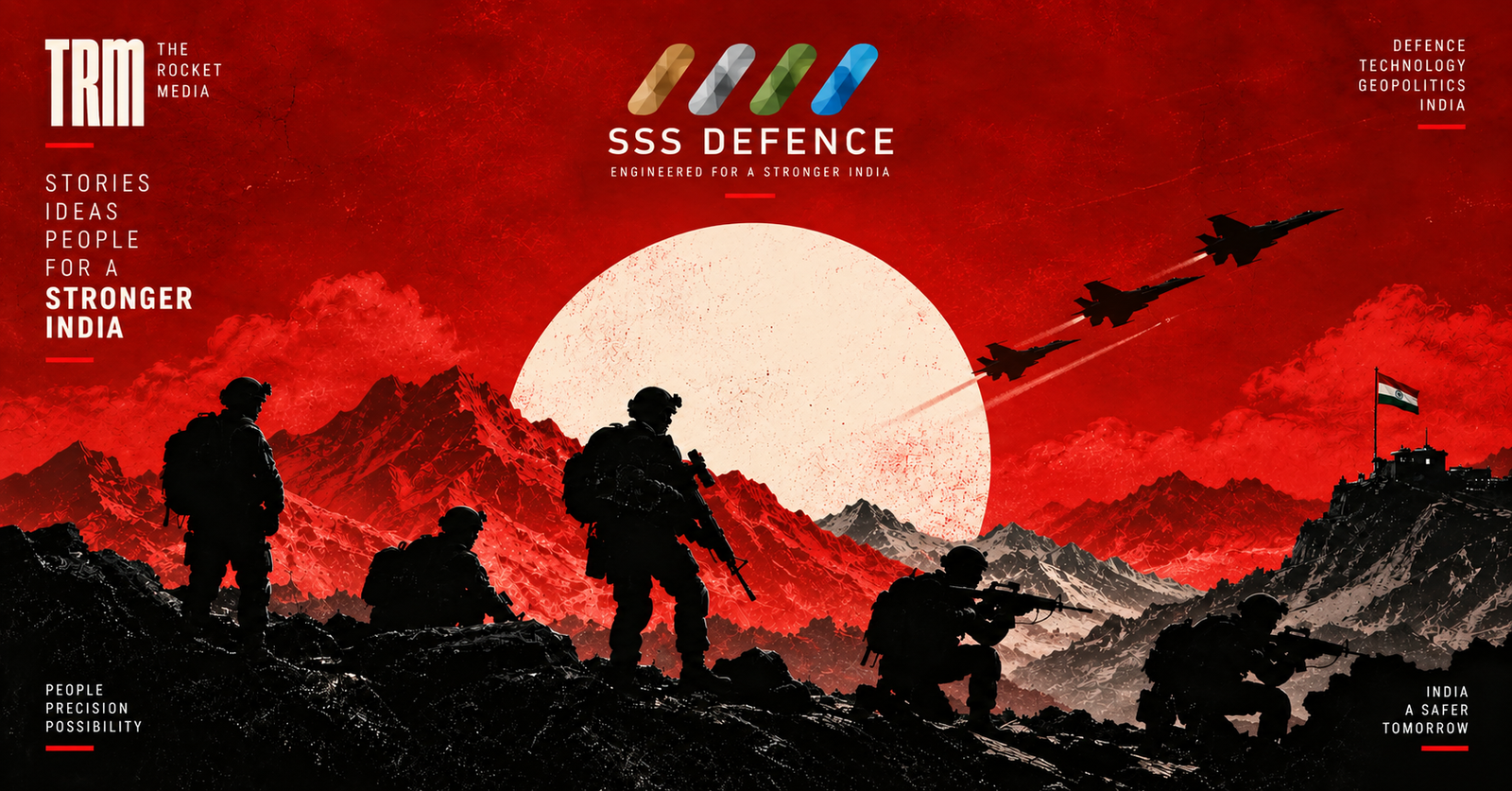
Inside SSS Defence: The Making of an Indian Gunmaker
Every child in my neighbourhood had fought at least one imaginary war. We watched Border , Lakshya and every army film we could find, then returned to the battlefield with seemingly smaller budgets and hopelessly undefined objectives. The sofa became a bunker, the balcony became a border and anything straight became a rifle. None of us understood calibre, recoil or range. However, our motivation to destroy our enemy never seemed to fade. As I grew older, the plastic guns disappeared, but the fascination remained. Guns still looked like some cool machines built from barrels, triggers and an incredible amount of cinematic background music. So when our team sat down with Vivek Krishnan, CEO of SSS Defence, we expected the conversation to begin with sniper ranges, assault rifles or commandos. Instead, barely a few minutes in, we were discussing springs and the child inside us felt disappointed for a few seconds. Spring felt like that boring piece of metal residing inside our pens, remotes and other day-to-day appliances.

We are bringing this format Soon! Keep Checkin'
Expert Opinions is Rocket Media’s upcoming space for ideas straight from the people building, leading, and shaping the industries we cover. Founders, executives, researchers, investors, and other industry voices will share their perspectives on the trends, challenges, and opportunities that actually matter. No newsroom filter, no recycled talking points—just informed opinions from people with skin in the game. We’re bringing this format to the platform soon, because sometimes the best way to understand an industry is to hear directly from the people making it move. Until then, consider this your official warning: opinions worth reading are coming.
Our Team
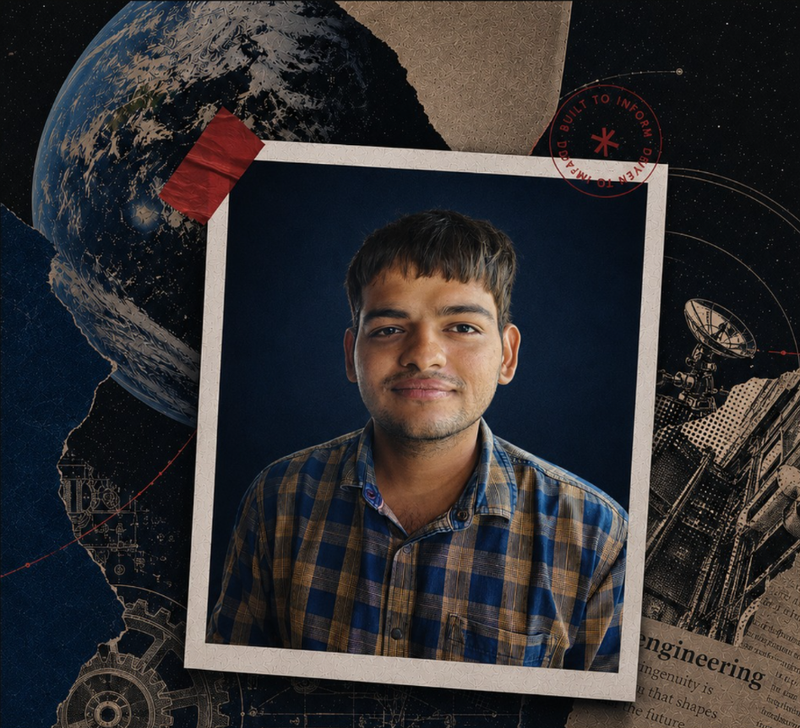
Ankit Maurya
Founder, Editor-in-Chief
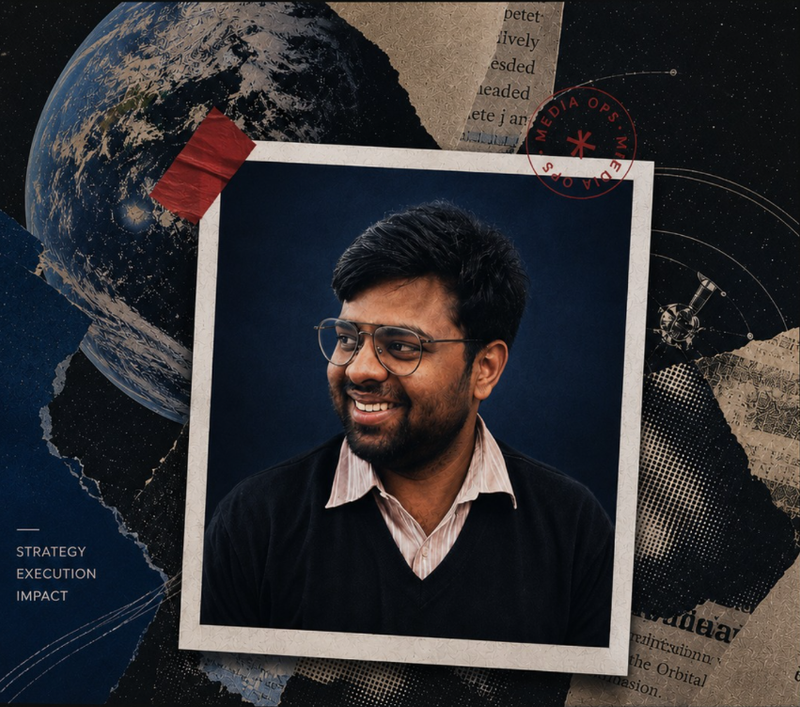
Sanidhya Agarwal
Media Ops
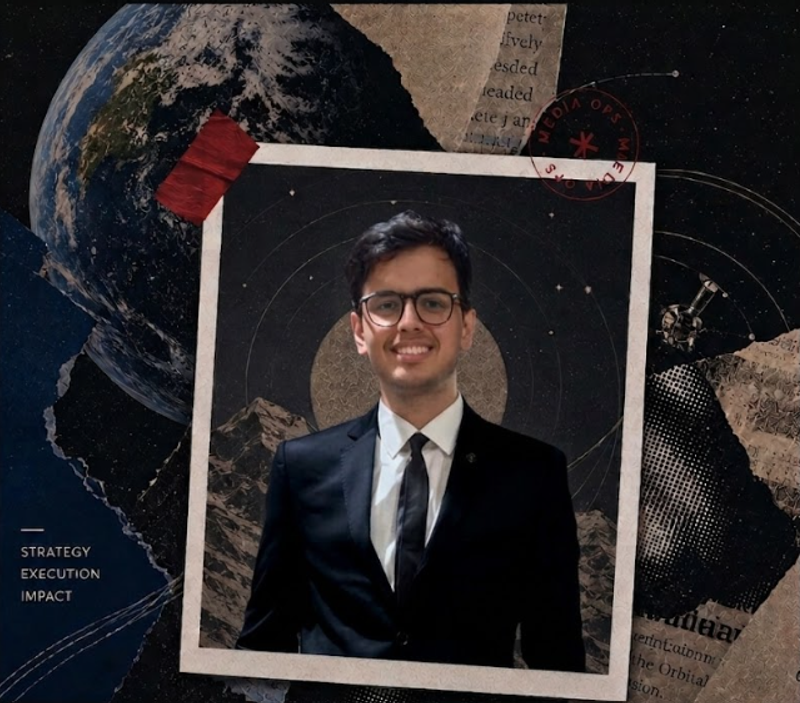
Saubhagya Pandey
Founder's Office
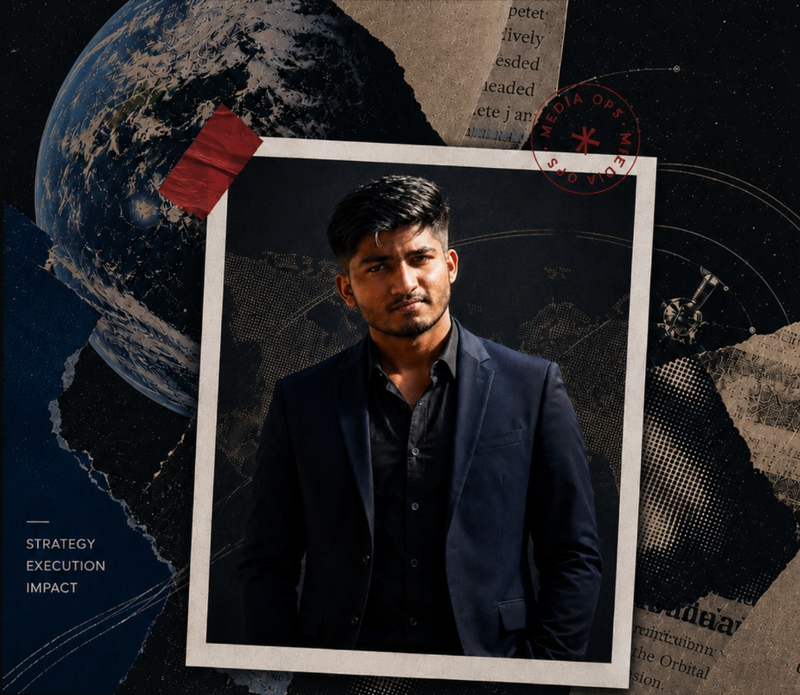
Amoghsiddhu
Lead Editor
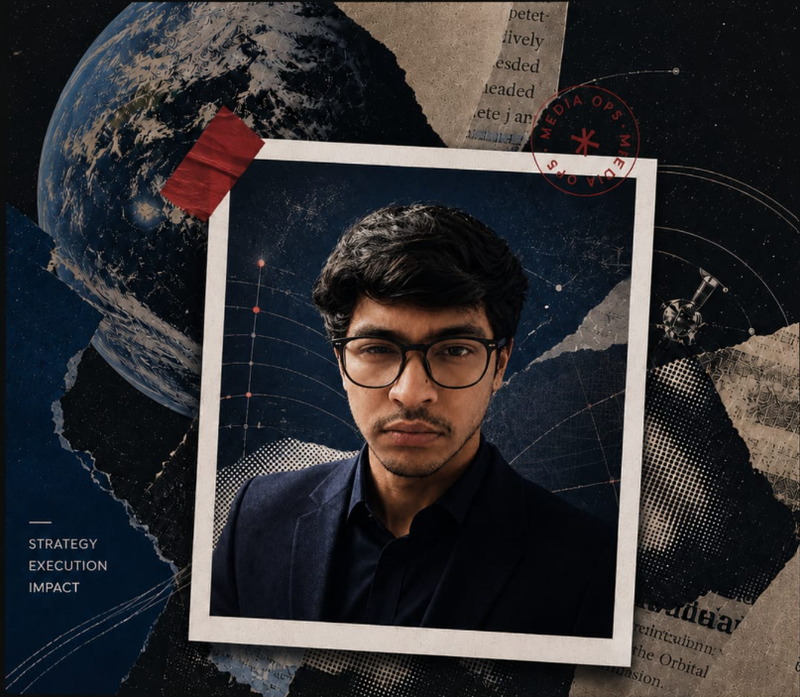
Dhuruv Tiwari
Lead Content Editor
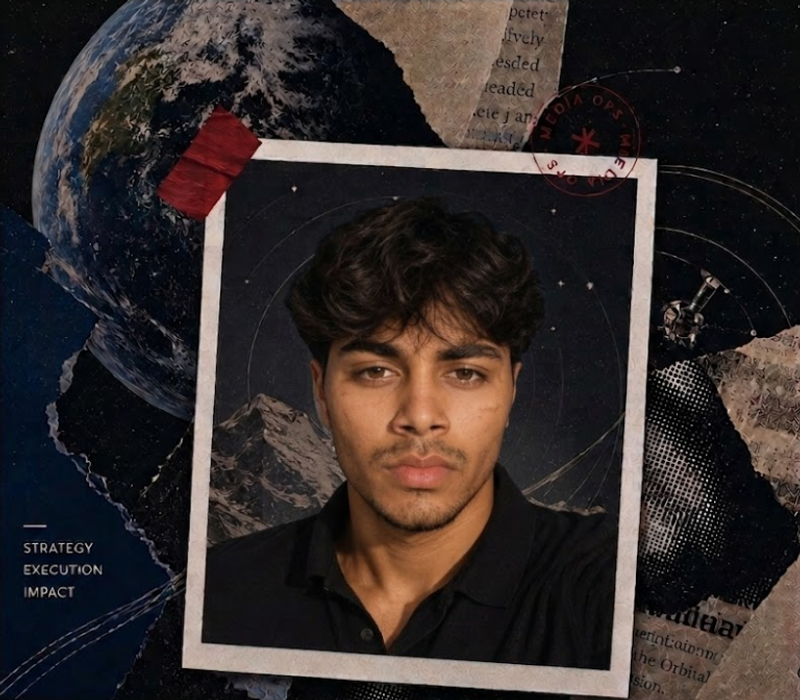
Priyanshu
Graphic Designer
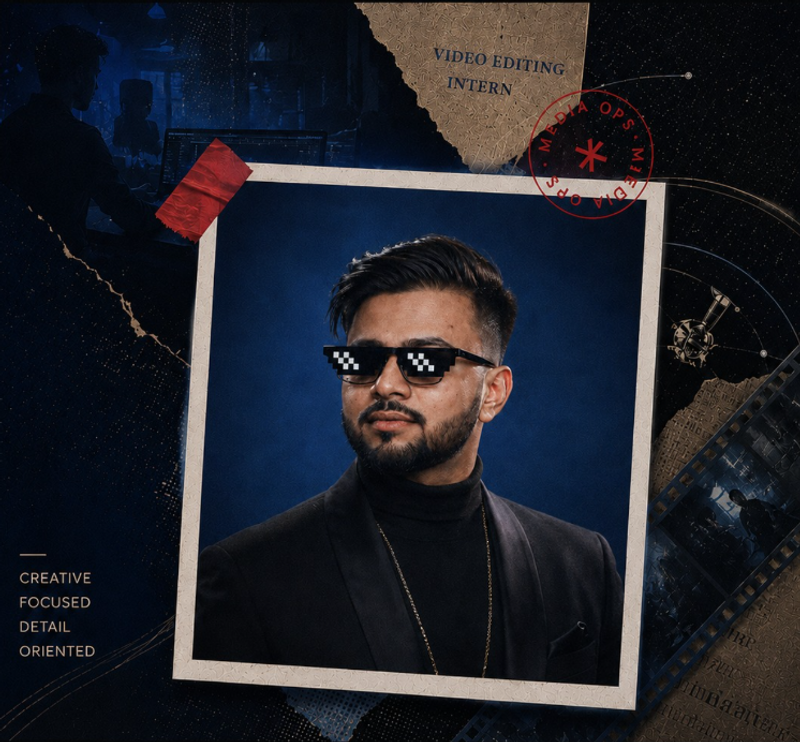
Sameer Kumar
Content Editor
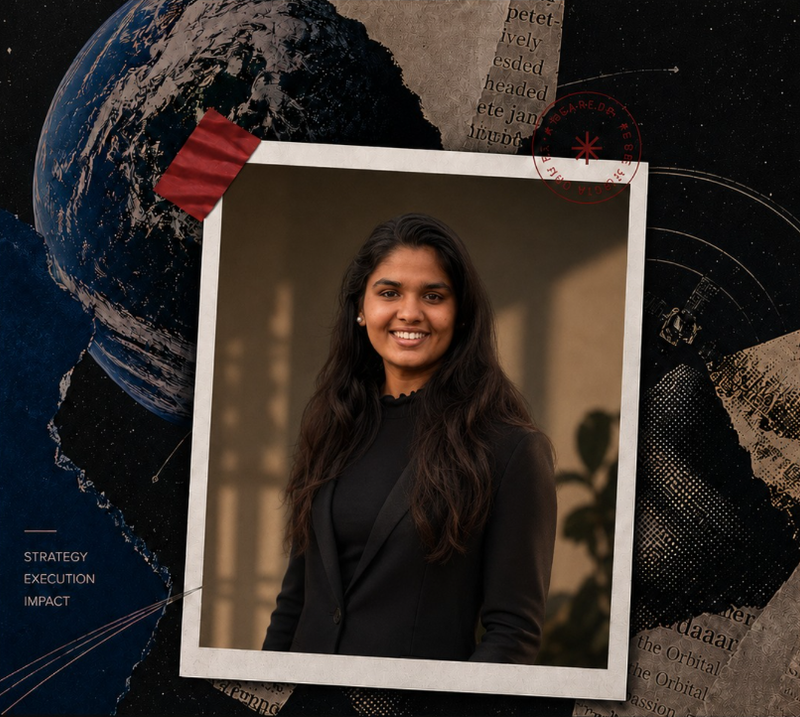
Vrutika Rao
Growth Lead
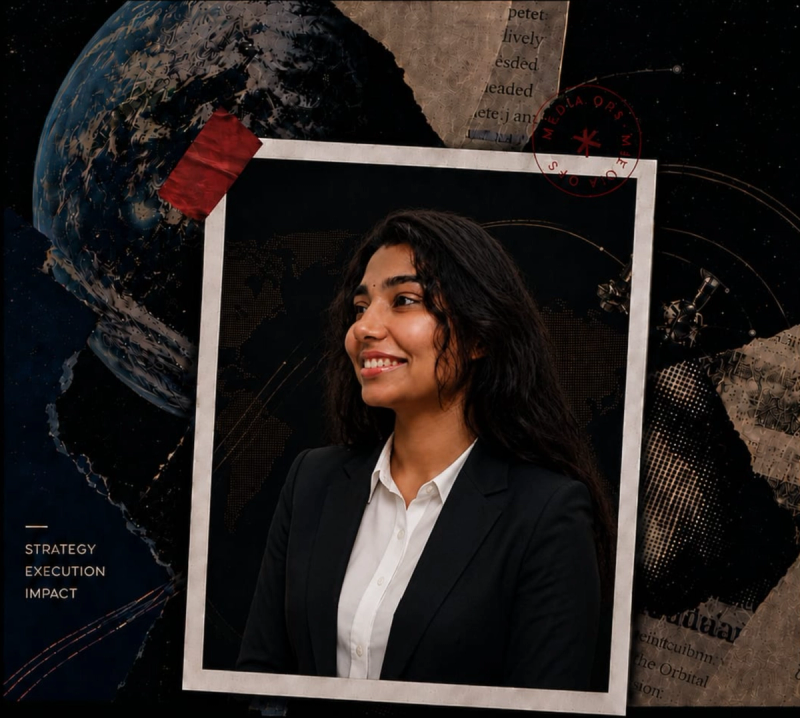
Charmie Sharma
Associate Editor
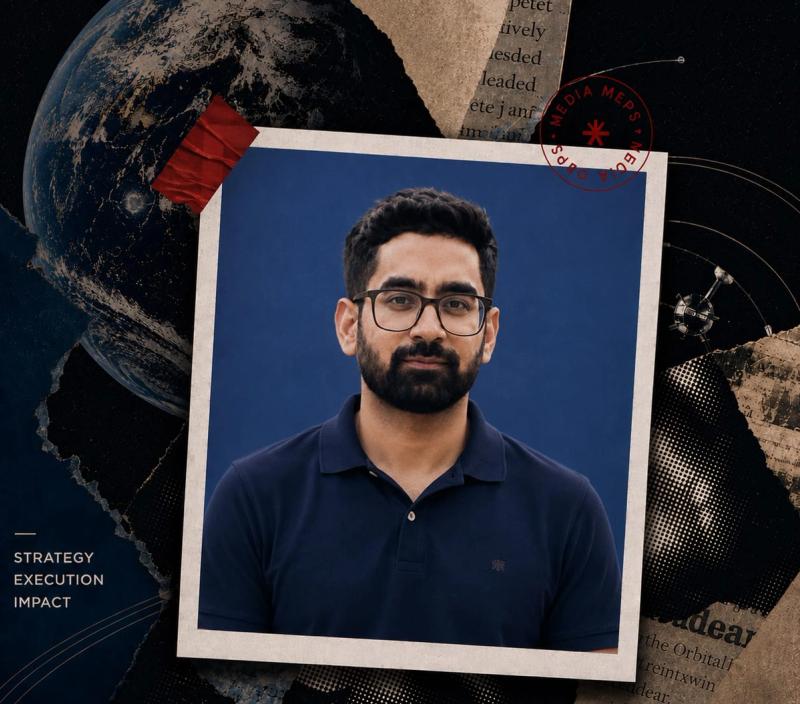
Devinder Singh
Associate Editor
Devan
Design Intern
N/A
Contributor
Subscribe to TRM Daily
Stay Ahead of the Curve by Subscribing to TRM's curated Daily tech briefing.